Turning Mineral Wasteinto carbon-negative cement

Transforming waste concrete, quarry fines and mineral residues into the cement industry’s most needed solution

Contact Page

Cement producers need lower cost ways to cut clinker

SCM Supply is Shrinking

European fly ash output has halved in a decade

High Cost

Green premiums block adoption at scale.

Integration Challenges

New supply chains demand costly retrofits
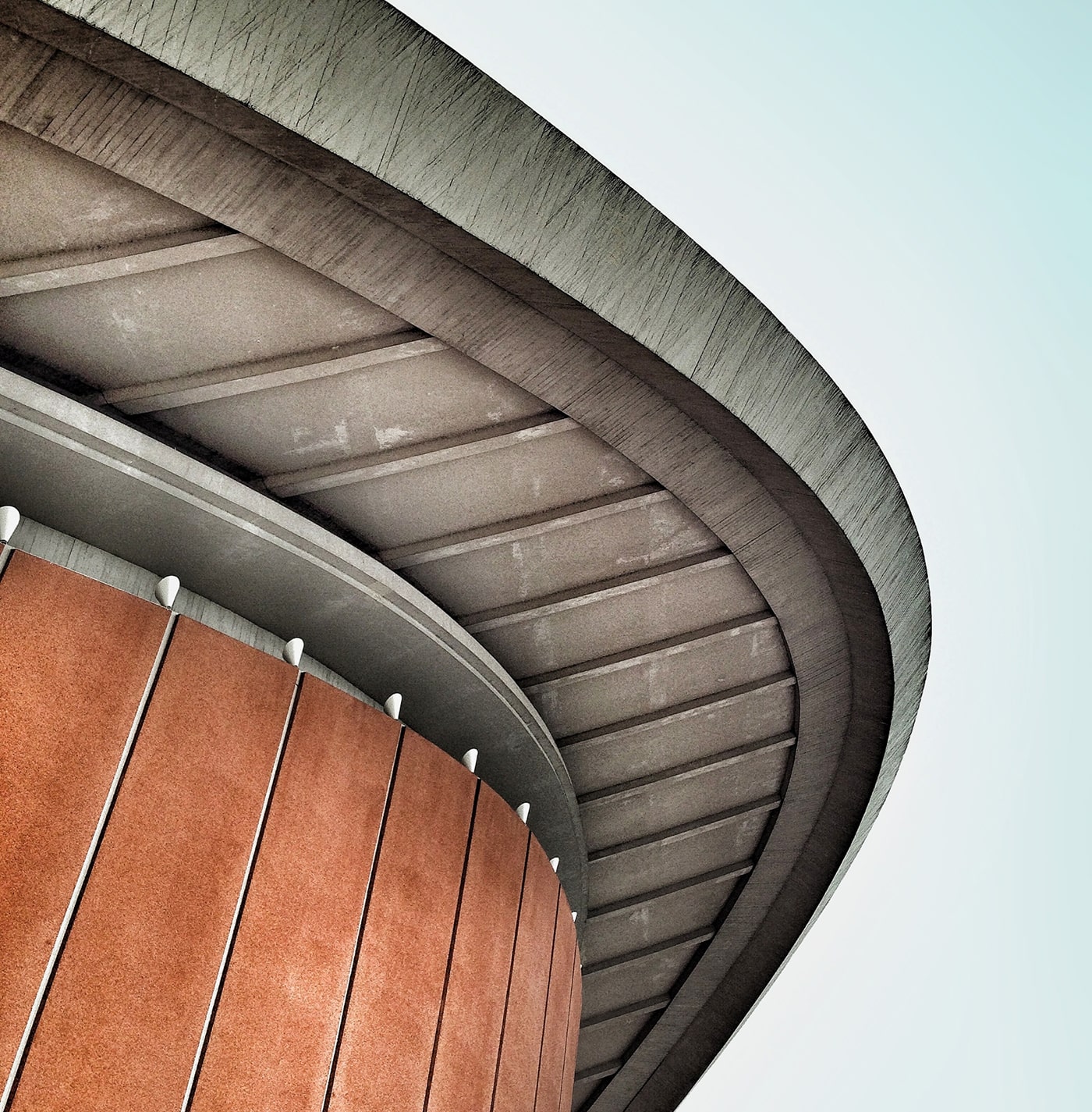
Waste concrete holds stranded mineral value.

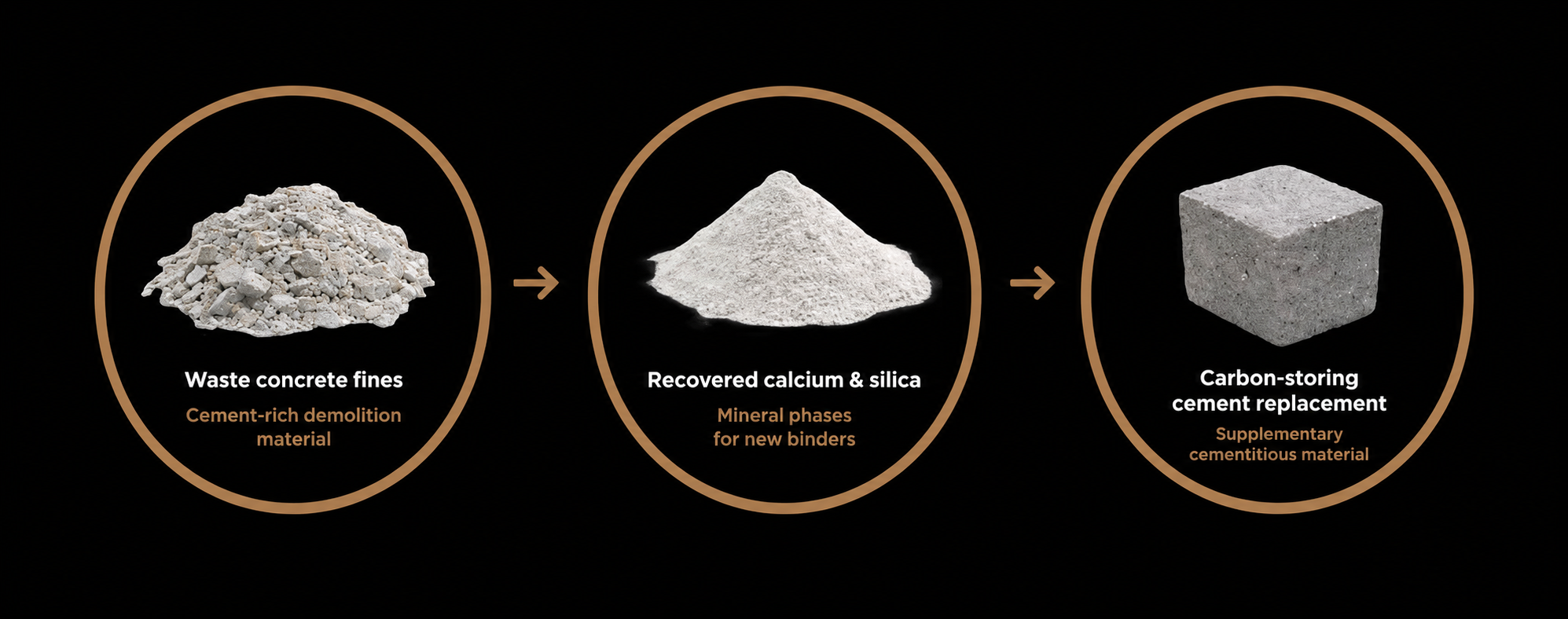
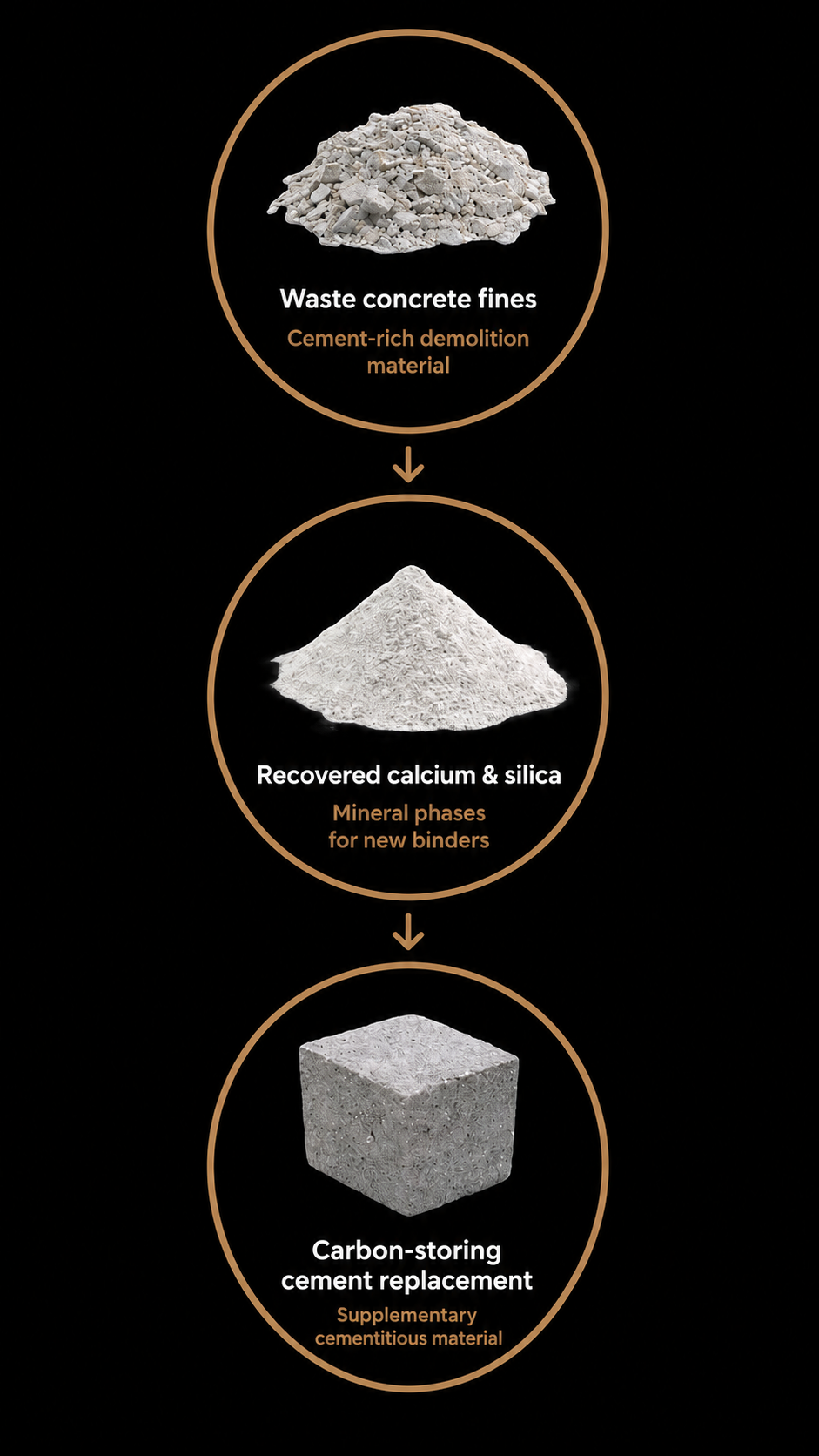
Every year, large volumes of concrete are demolished, crushed and downcycled. The cement-rich fine fraction still contains valuable calcium- and silica-bearing minerals – the building blocks of new cementitious materials.

Ureaka sees this not as waste, but as an abundant feedstock for low-carbon cement replacement.
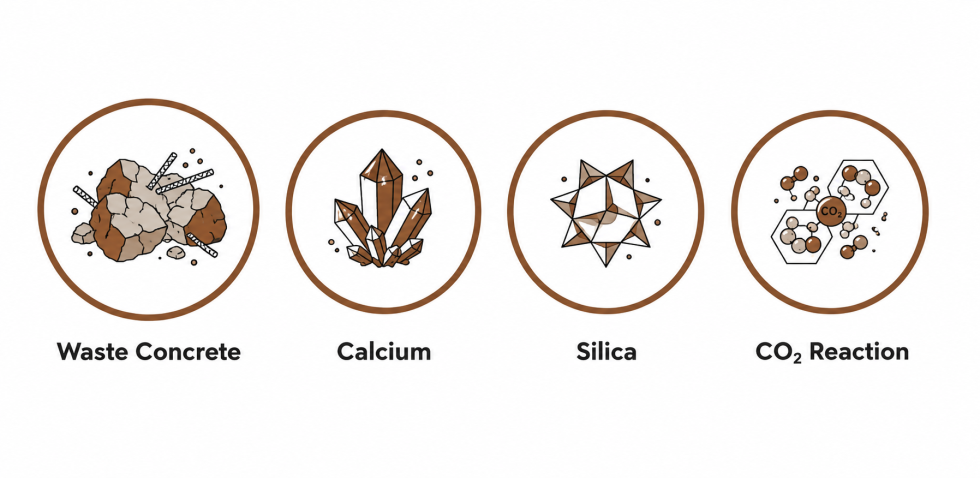
How Ureaka turns waste concrete into cement replacement

We recover mineral value from waste concrete fines, combine it with CO₂ mineralisation, and produce a carbon storing supplementary cementitious material.
Demonstrating cement replacement performance

30% cement replacement achieved

28-day performance aligned with SCM standards

Drop-in pathway for lower-carbon concrete
Why the Economics Can Work

Most low-carbon cement technologies struggle because they add cost. Ureaka is designed around low-value feedstocks, low-energy processing and circular reagent use.

01
Low-value feedstocks
Waste concrete fines and mineral residues are abundant, underused and low cost.
02
Low-energy process
No kiln. No high-temperature calcination. No conventional clinker production.
03
Regenerated chemistry
The process is designed to recover and reuse reagents in a closed loop.

A pathway to carbon-negative cement replacement without a green premium.

Innovators at Work

Ureaka is led by a team with deep experience across carbon capture, cement chemistry, mineral processing and sustainable construction. Together, they are developing a practical route to turn waste concrete into valuable low carbon cement materials.

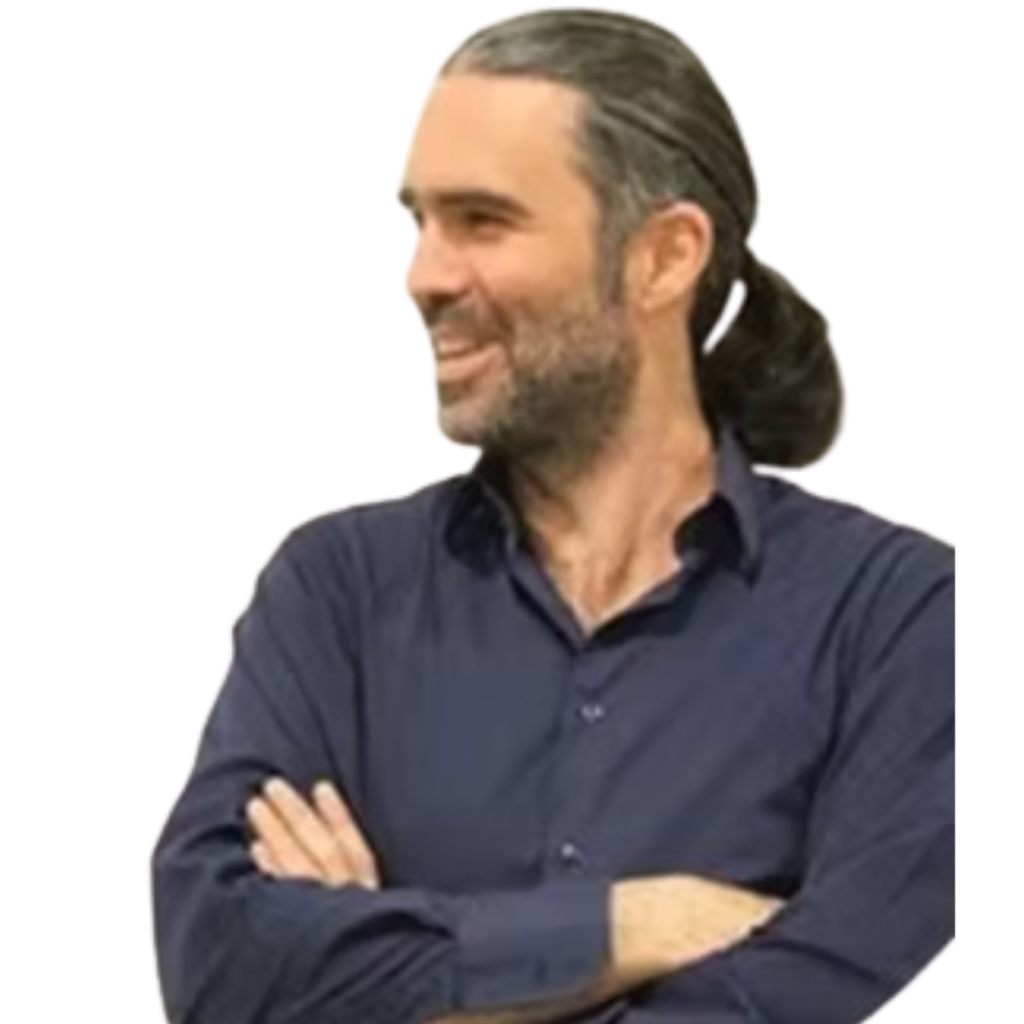
Dr Philip Salter
Founder & CEO
The innovator behind Ureaka’s carbon capture and storage technology, Philip possesses extensive knowledge in sustainable materials and pilot project development. He combines scientific expertise with entrepreneurial acumen, dedicated to transforming breakthrough concepts into scalable industrial applications. His contributions have earned him several prestigious research awards.
Dr Vassilis Inglezakis
Process modelling & scale up
With over two decades of experience in project management and environmental engineering, Vassilis is a leading figure in CO₂ capture and waste valorisation. His expertise lies in developing scalable solutions from laboratory concepts to industrial systems, making him a key player in environmental chemical engineering.
Dr Sean Monkman
Concrete Commercialisation
Brings deep experience scaling climate materials technologies from proof-of-concept to global deployment. At CarbonCure, he helped scale CO₂ utilisation technology to more than 600 concrete producers globally and co-developed the first carbon offset methodology for the concrete industry. His expertise spans technical due diligence, concrete standards, and commercial strategy for novel construction materials.
Dr Ben Roche
Sustainability & Regulation
A research fellow and advisor focused on translating intricate technical data into practical insights for regulatory and market applications, particularly in carbon capture, measurement, reporting, and verification (MRV), and climate strategy. Ben has authored significant studies published in leading journals and has contributed to climate policy reports for the European Commission.

Contact Us